
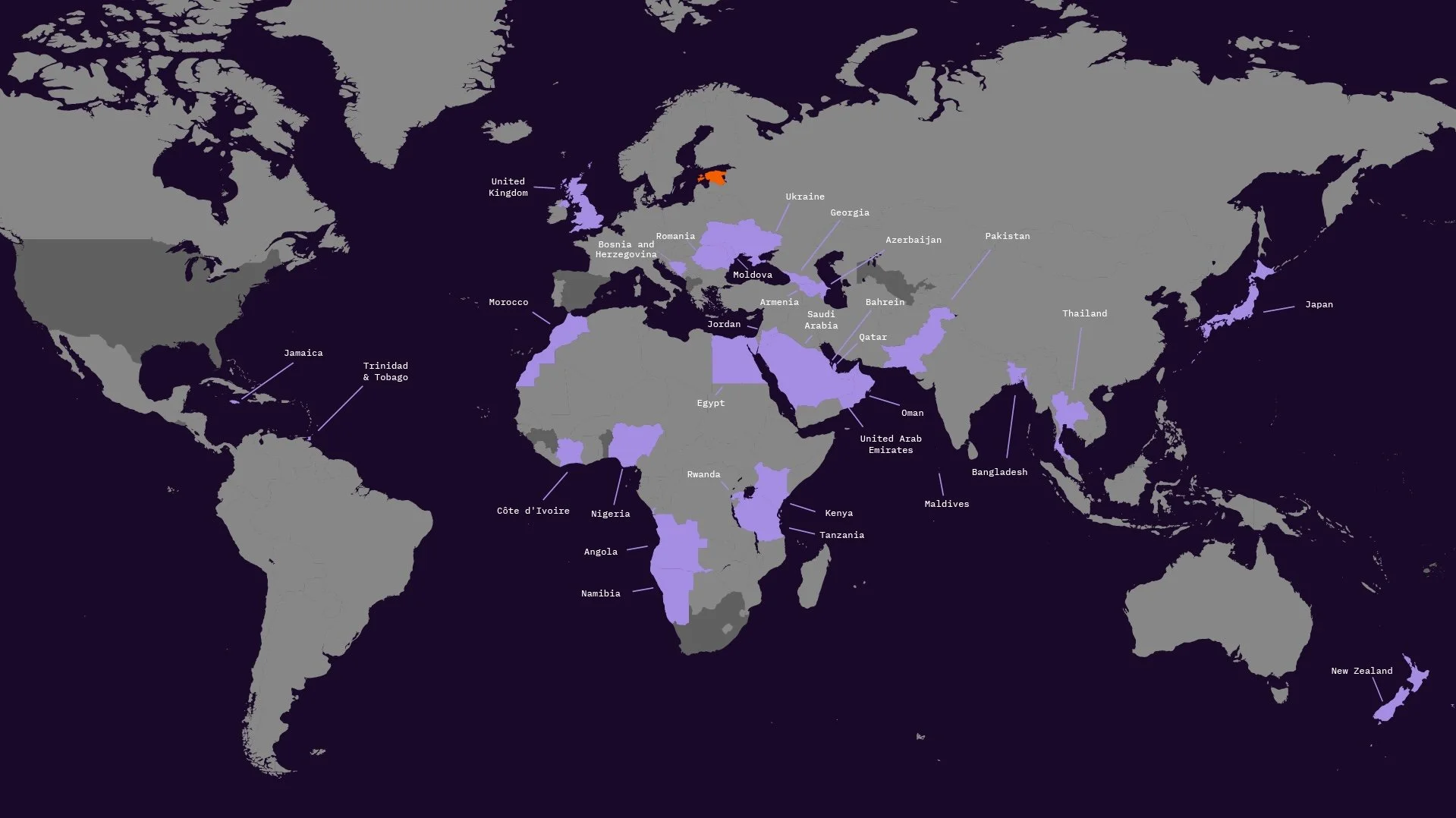
In 2025, our work expanded into new countries and deepened ongoing partnerships, supporting governments at key moments of digital planning, decision-making, and delivery based on our hands-on experience from Estonia and our work across four continents.
Where You Took Us
The digital nation of Estonia remains our base, but meaningful change happens through co-creating in-person. That’s why we meet digital leadership teams on the ground when it matters most to align priorities, unblock decisions, and accelerate delivery.

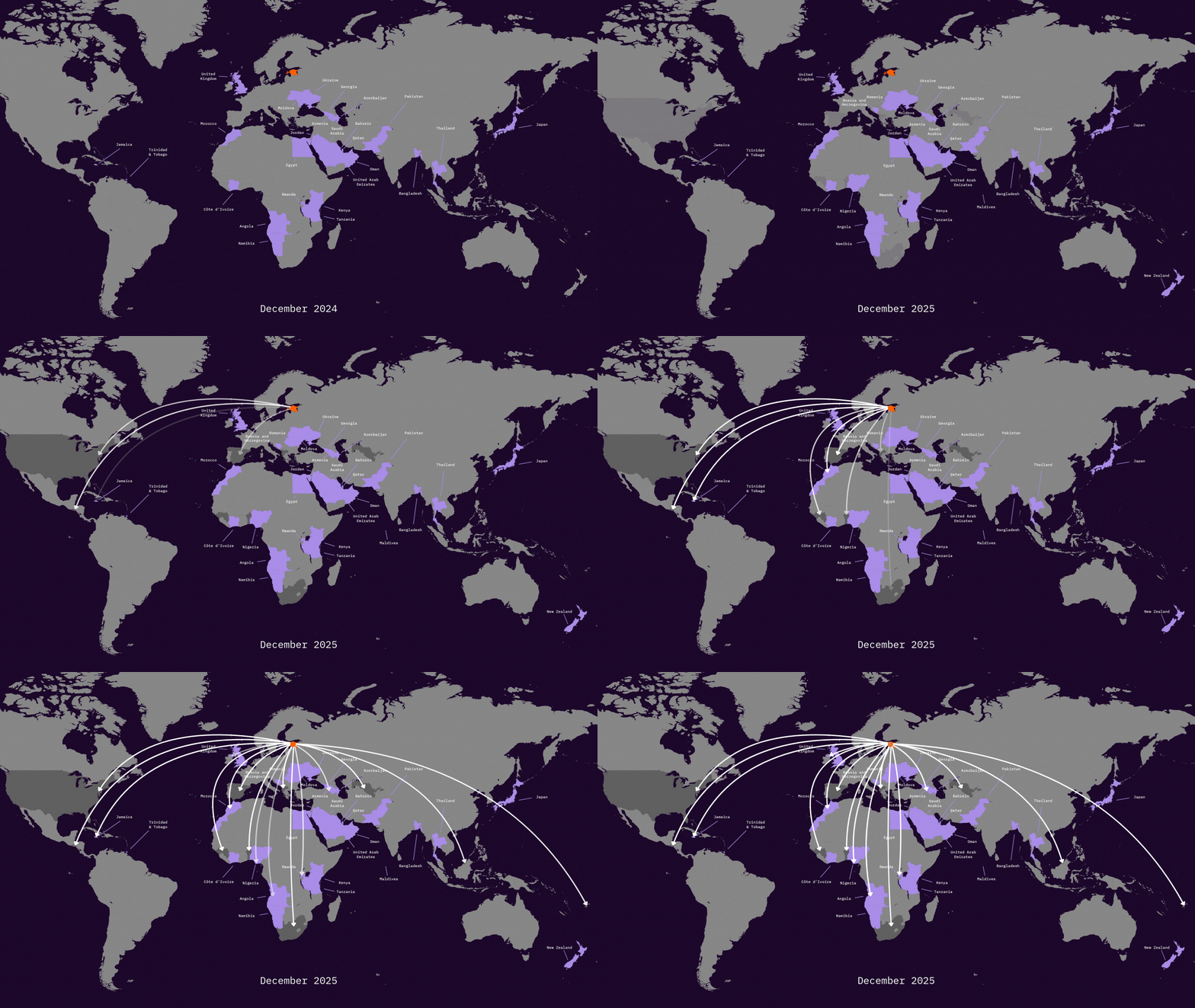
What We Built Together
Five themes, in particular, defined the substance of our work this year.
Digital Governance and Leadership Development
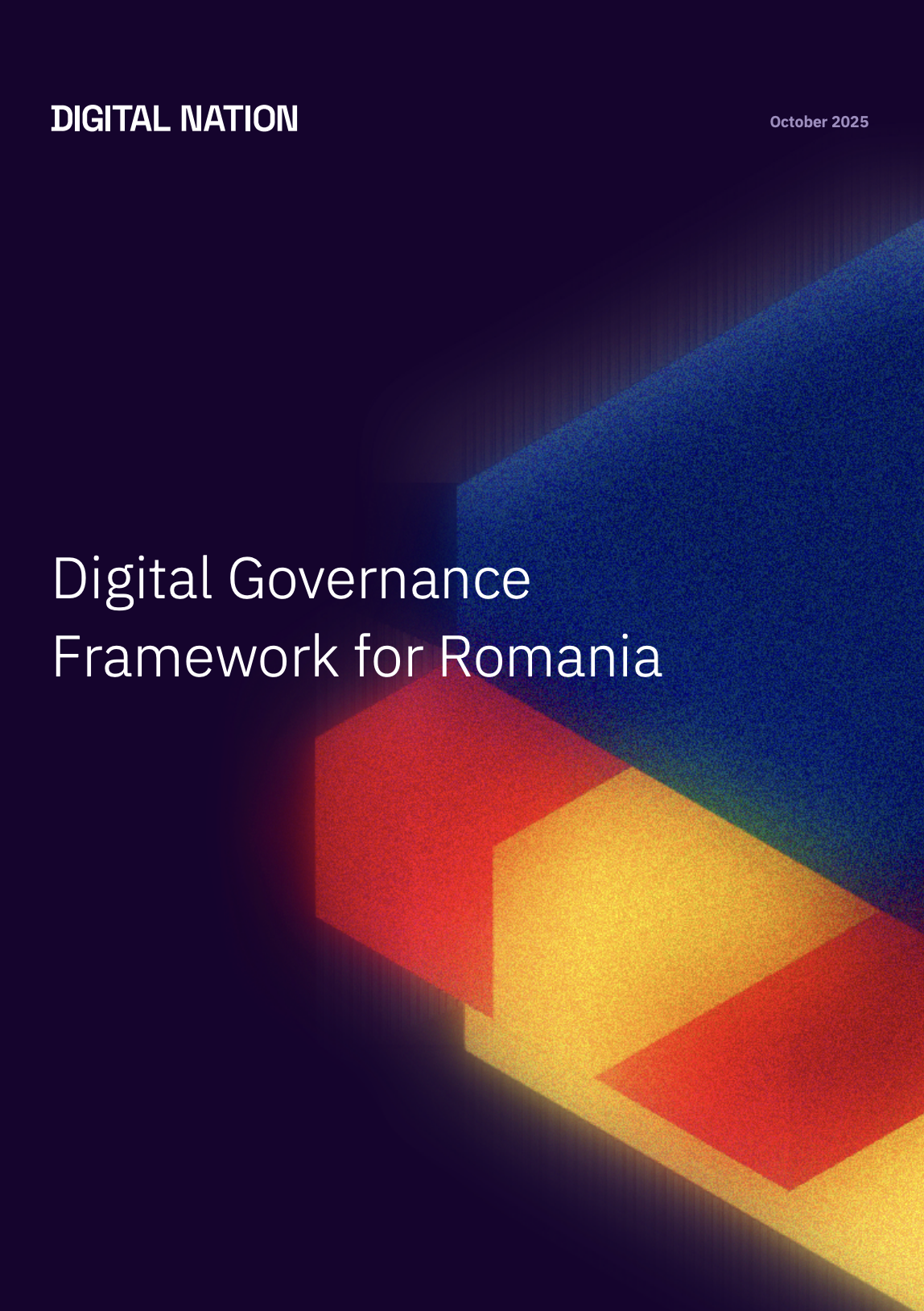
Selected Case Study: Digital Governance Framework for Romania
Effective digital transformation starts with clear governance and strong leadership – without it, initiatives fragment, stall or are never started in the first place. In Romania, together with Edge Institute, we co-created a practical Digital Governance Framework that clarifies roles, coordination mechanisms, and decision-making structures, providing a strong foundation for a newly elected government to move from ambitions to strategy and delivery.
Good news is that this one is public! Find the Digital Governance Framework here to see for yourself.
Actionable Roadmaps
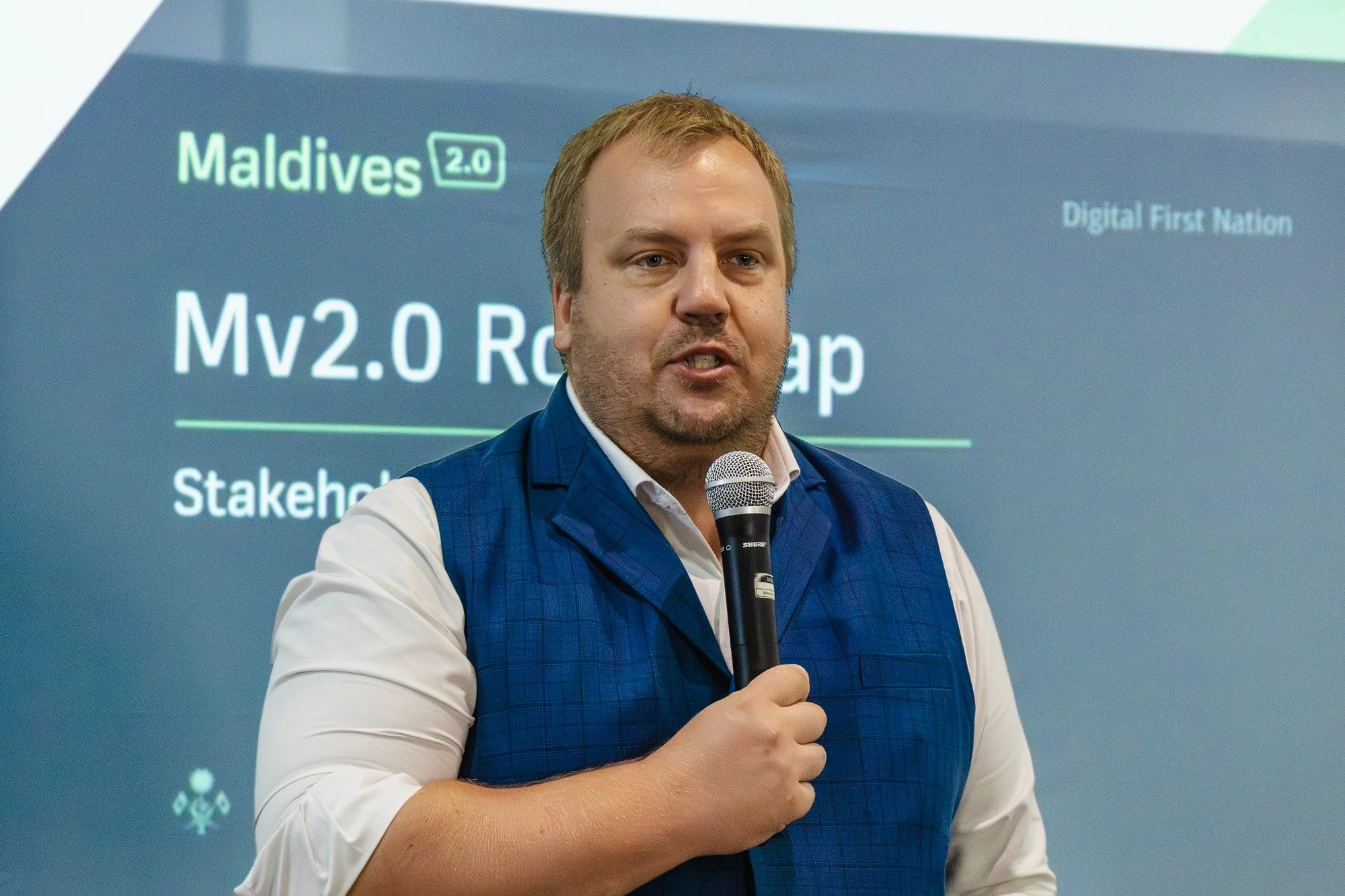
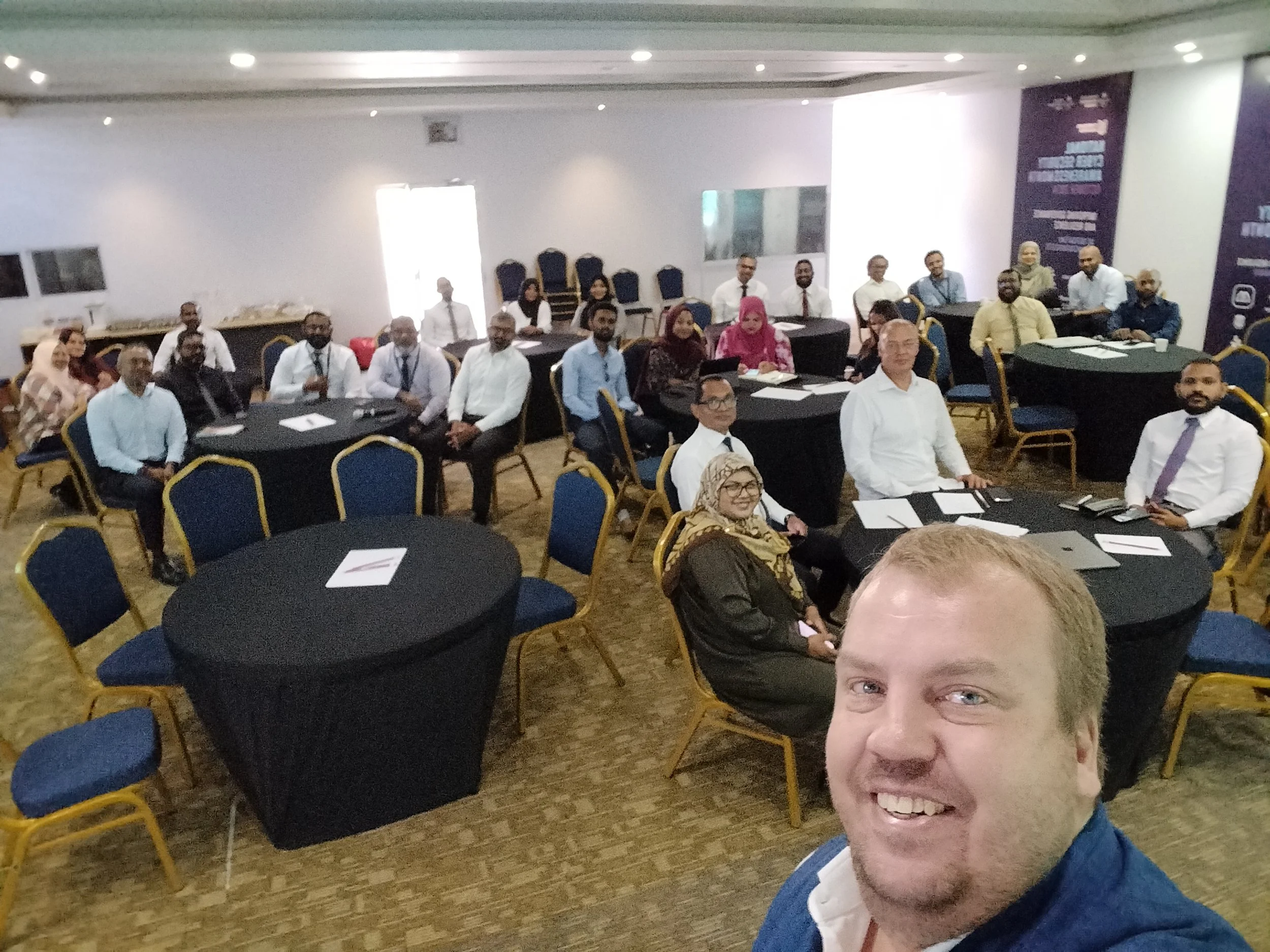
Selected Case Study: Maldives 2.0 Roadmap
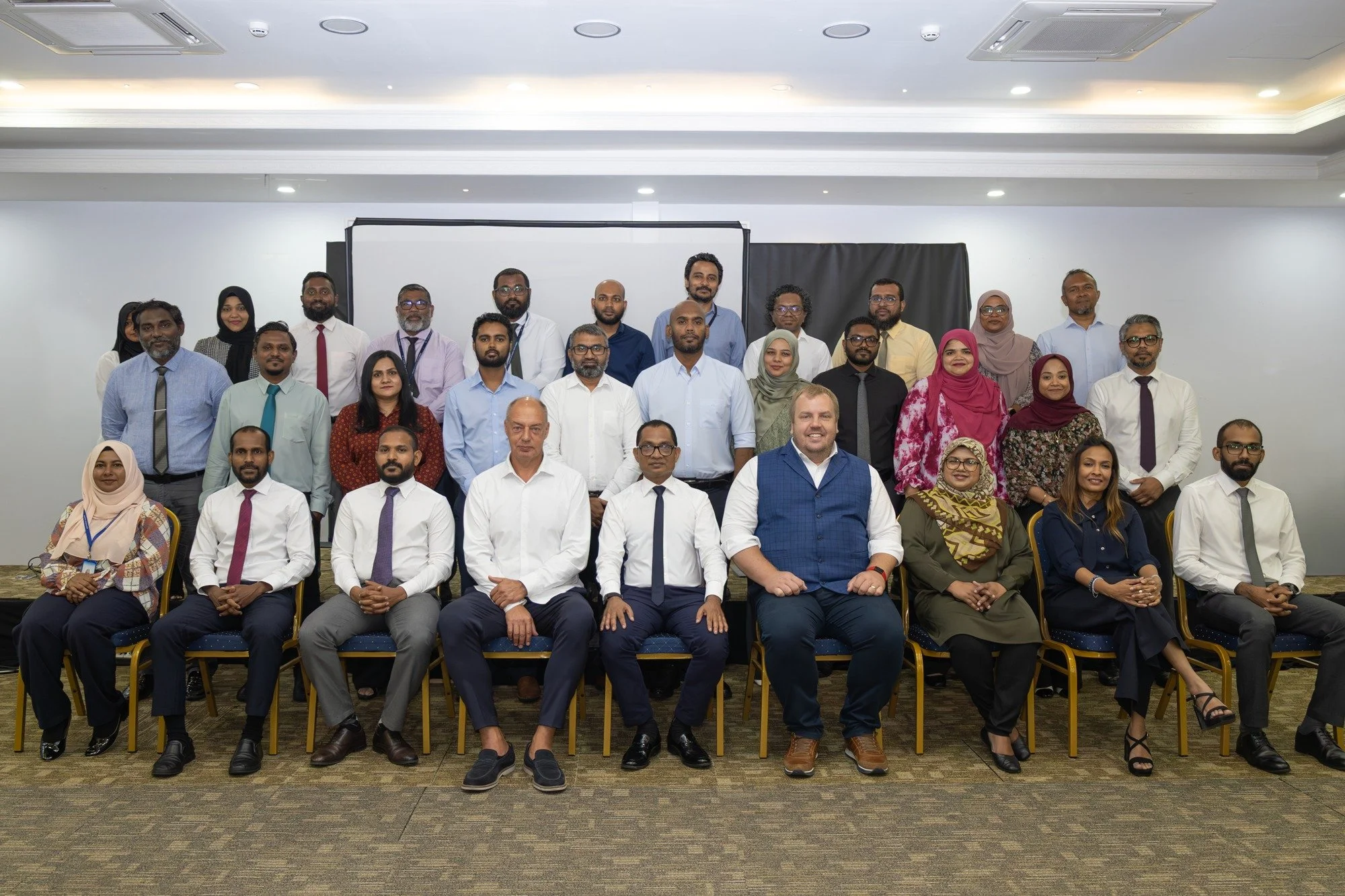
Many governments have existing strategies, but struggle to turn them into sequenced, deliverable and well-coordinated action. In the Maldives, we helped translate the Maldives 2.0 vision into an actionable roadmap that teams could realistically follow within the local context. We worked with local teams to define priorities, sequence reforms, and align initiatives with available capacity, producing a roadmap designed for execution.

Effective DPI Implementation
Selected Case Study: Interoperability Framework for Angola
Digital Public Infrastructure delivers value only when it is implemented in alignment with the organisational and legal changes required for its success. In Angola, the challenge was to move from isolated systems toward a coherent interoperability approach that could support service delivery. Together, we developed an interoperability framework grounded in Angola’s institutional and technical context, laying the foundations for scalable and secure data exchange.
What is an Interoperability Framework? A common rulebook that guides government organisations on how to make their IT systems talk to each other with consistency.
Data Governance
Selected Case Study: Data Governance Massive Open Online Courses (MOOCs) for Sub-Saharan Africa Policymakers
Data is foundational to effective digital transformation and AI adoption, yet data governance is often perceived as abstract or complex. Through the creation of Data Governance MOOCs developed for Sub-Saharan Africa, we are helping build practical understanding and capacity among public sector practitioners. The courses translate core data governance principles into accessible, action-oriented learning, equipping participants with tools they could apply directly within their institutions.
Read more about our approach from the case study here, and find the courses here.
AI Strategy
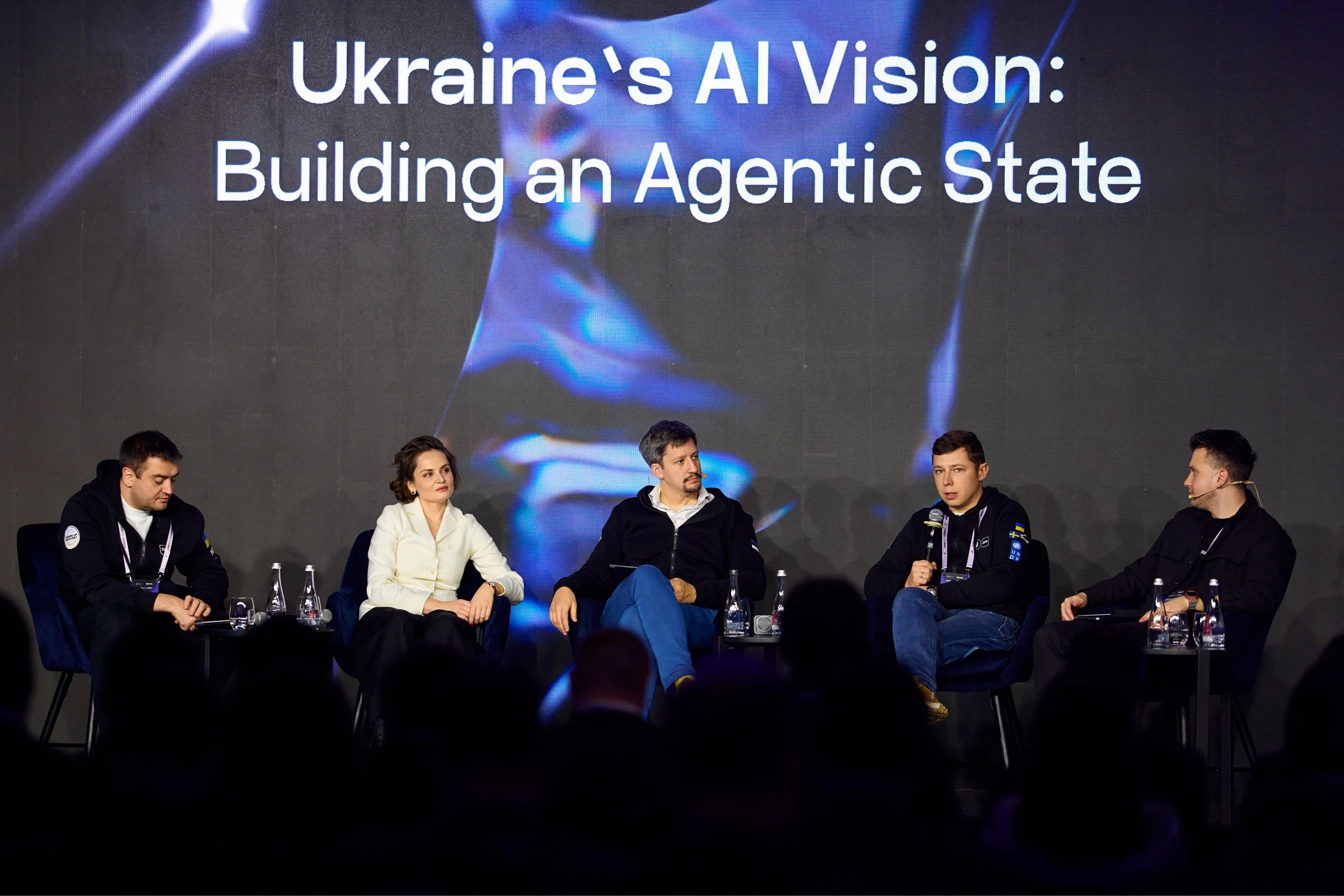
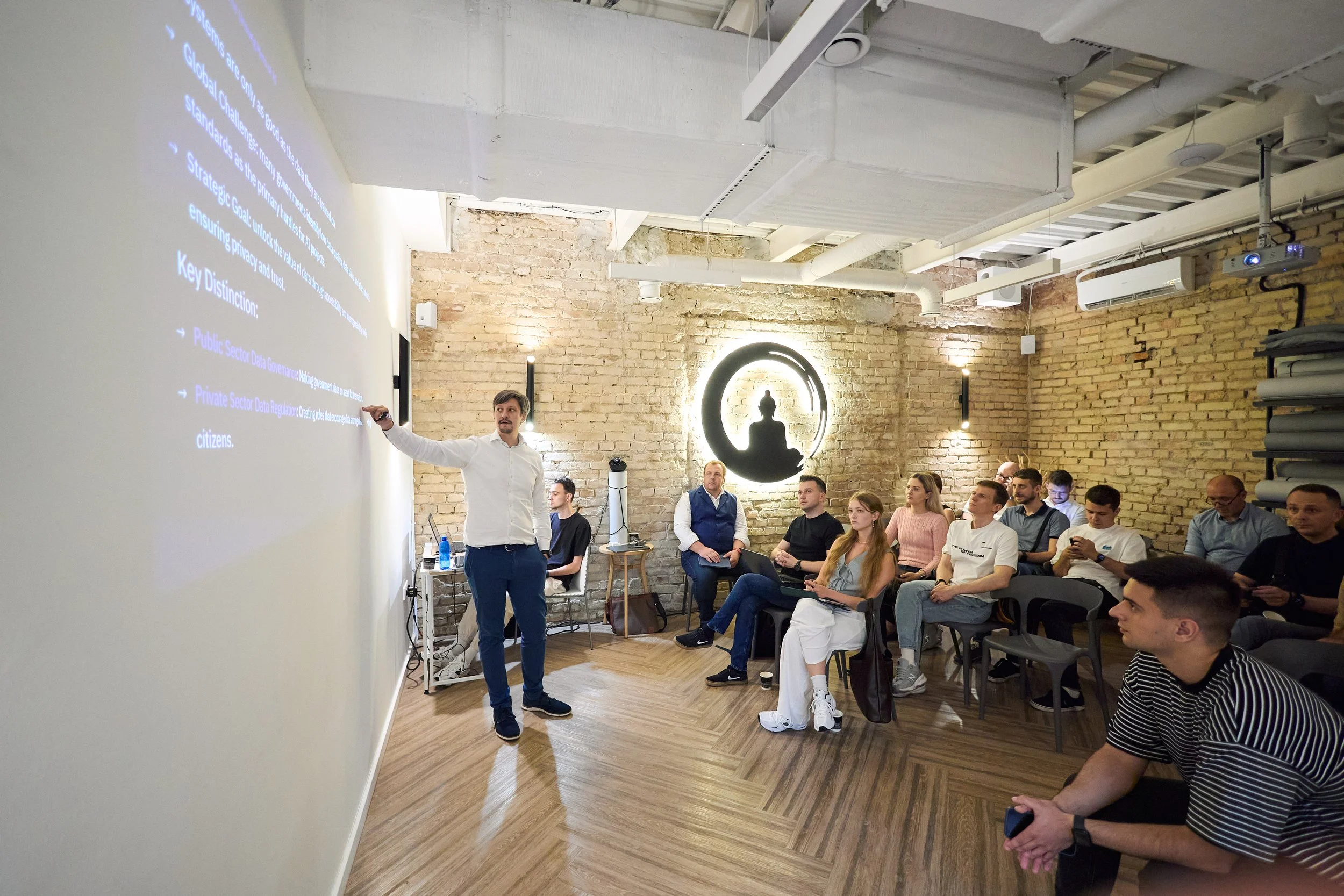
Selected Case Study: National AI Strategy for Ukraine (ongoing)
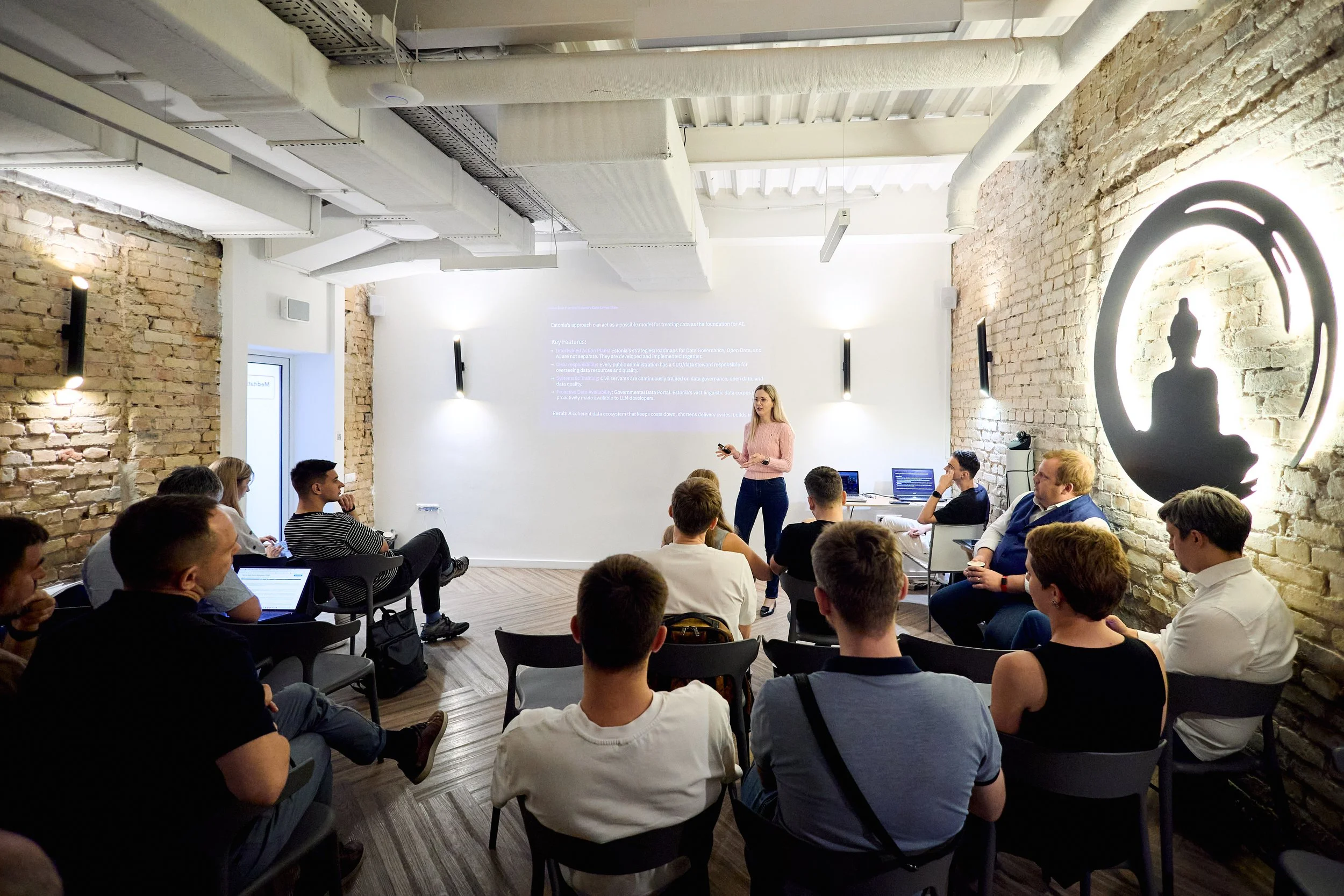
Effective AI strategies are rooted in national priorities, institutional readiness, and real implementation pathways. In our ongoing project in Ukraine, the objective is to define a strategic direction for AI that balances ambition with realism in a rapidly evolving context. We are supporting the development of an AI strategy that connects policy goals with governance, capability building, and delivery considerations – creating a framework designed to guide responsible and impactful AI adoption.
Check out our co-creation milestones from the year here and here.
What’s Next
Building on this work, our focus remains co-creating the future by helping governments change their digital game – and doing so at a pace and depth that matches today’s urgency.
For Digital Public Infrastructure, the next phase must focus on delivery. This includes putting interoperability and data exchange in place, organisationally and technically, so services can function more efficiently across government.
The same applies to AI. Many governments are focusing on strategies, but fewer on hands-on experimentation. We see the next step as practical use-case development – learning by doing, testing what works in context, and then further shaping strategy, governance, and legislation based on real insights.
Finally, we will continue investing in leadership development. In the push to deliver, it is easy to overlook the “soft skills” and people leading change. Yet digital is a leader’s job, and sustainable transformation depends on leaders who have the tools and confidence to lead effectively.
If these priorities are on your 2026 agenda, we welcome the opportunity to build the next future-ready digital society together - let’s talk!