

November saw a strong focus on digital foundations across regions, with interoperability and data governance paired with AI acceleration taking centre stage.
🔹 1. Global DPI Summit moves the spotlight toward interoperability and data exchange
Where digital ID once dominated the agenda, interoperability and data sharing are now emerging as a focus of global discussions, as evidenced at the Global DPI Summit this year. Across sessions in Cape Town, leaders increasingly emphasised the infrastructure required for government-wide information flows and service integration.
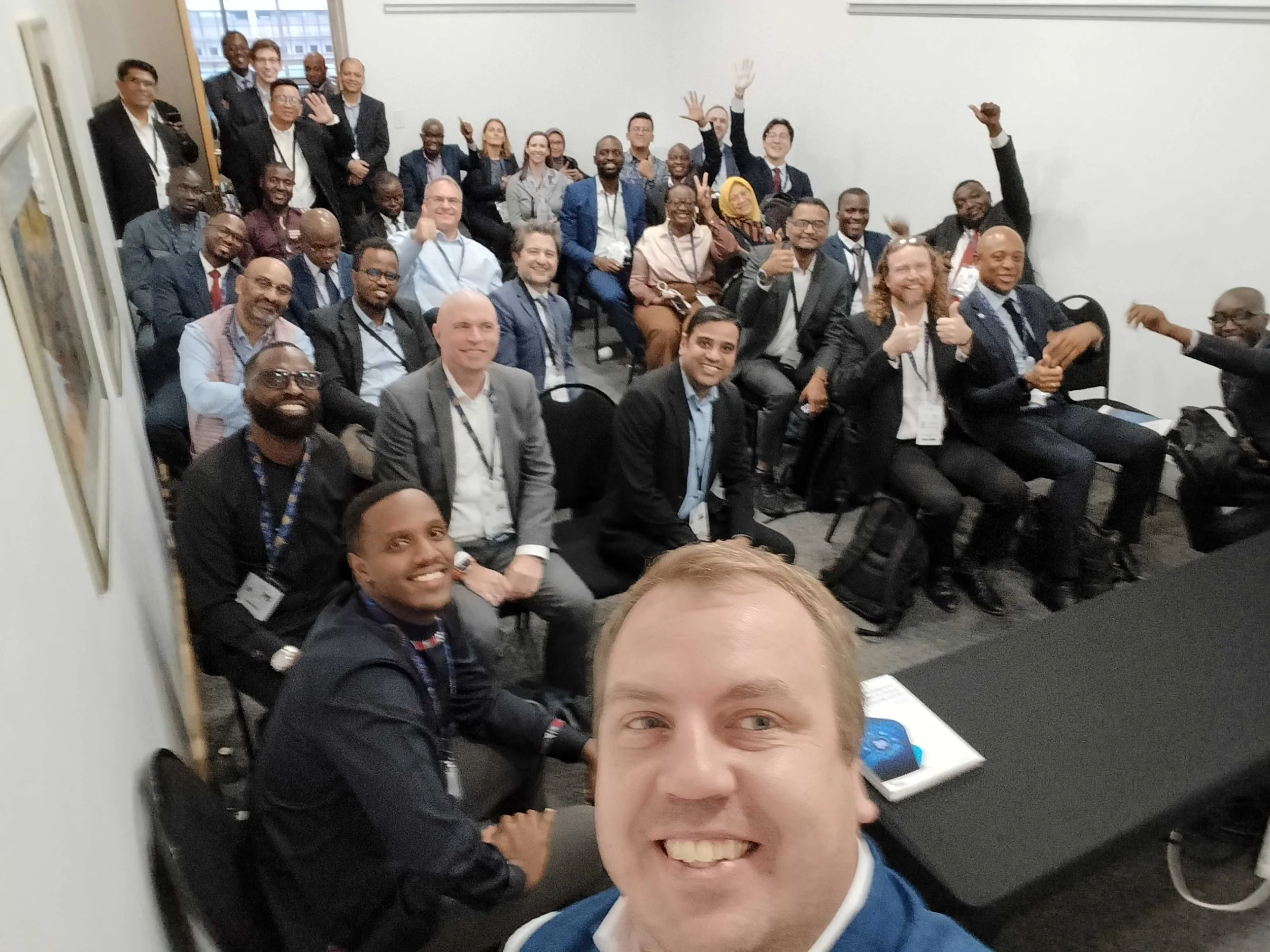



➡️ Why this matters: “Efficient data exchange is what enables governments to operate as one and deliver better services at scale. These foundations drive some of the strongest economic impacts of digitalisation. With attention and funding now moving toward interoperable DPI, the next step is delivery. Planning and implementing systems that truly connect a country. That’s the work ahead for Digital Nation as well and 2026 is shaping up to be a productive year on that front.” – Siim Sikkut, Managing Partner at Digital Nation
🔹 2. Nigeria prepares for full-scale data exchange deployment in 2026
Nigeria is set to begin a nationwide rollout of a data exchange platform as part of the upcoming EU-funded Team Europe Initiative on Digital Public Infrastructure. The goal is to establish a secure, sustainable interoperability layer enabling data exchange across federal and state institutions, supporting the country’s rapidly growing digital service ecosystem.
➡️ Why this matters: “Nigeria’s scale and regional influence make it a major reference point for Africa. A federal model means a multi-layered platform rollout: Central institutions first, followed by state-level integration. This positions Nigeria alongside countries like Benin, Ethiopia, and Madagascar in advancing interoperability and setting the foundation for eventual cross-border interoperability - a step toward a more connected digital Africa.” – Maksim Ovtsinnikov, Director of Interoperability at Digital Nation
🔹 3. Digital Architecture Comparison launched as a public resourcernment-architectures
To further support governments in designing or reassessing their architectural foundations, we officially published our Director of Technology Kristo Vaher’s Digital Architecture Comparison as a free resource on the Digital Nation website. It outlines the four primary models for digital government architecture used globally and how their characteristics translate into real operational consequences.
➡️ Why this matters: “No country fits neatly into one architecture. Most blend components, and the task is steering development toward models that maximise flexibility, sustainability, scalability, and security. This comparison helps leaders understand the trade-offs and chart a more deliberate path toward architectures that support resilience, privacy, and long-term interoperability.” – Kristo Vaher, Director of Technology at Digital Nation
🔹 4. Malaysia publishes its national AI action plan for public feedback
Malaysia’s new action plan puts forward a clear, sequenced roadmap for AI adoption, aligning future investment with national development priorities. It emphasises foundational datasets, strong funding mechanisms, and advancing core datasets - such as clinical health data - as strategic national assets.
➡️ Why this matters: “What stands out is the plan’s coherence and deliberate pacing — a clear understanding of the foundational work required for meaningful AI adoption. It also mirrors a growing global pattern we see in our work with countries such as Ukraine, where AI strategies are co-created and treated as evolving, living documents that adapt to new capabilities, risks, and institutional realities. This approach supports sustainable long-term impact rather than one-off siloed planning.” – Sigrit Siht, Director of Data & AI at Digital Nation
🔹 5. TAS2025 highlights Africa’s ambition to accelerate through Foundations + AI
This year’s Transform Africa Summit brought together leaders exploring how Africa can push forward in establishing digital foundations, while now also using AI to leapfrog digital development. Conversations consistently linked interoperability, data governance, and digital identity with a decisive shift toward AI-enabled growth.


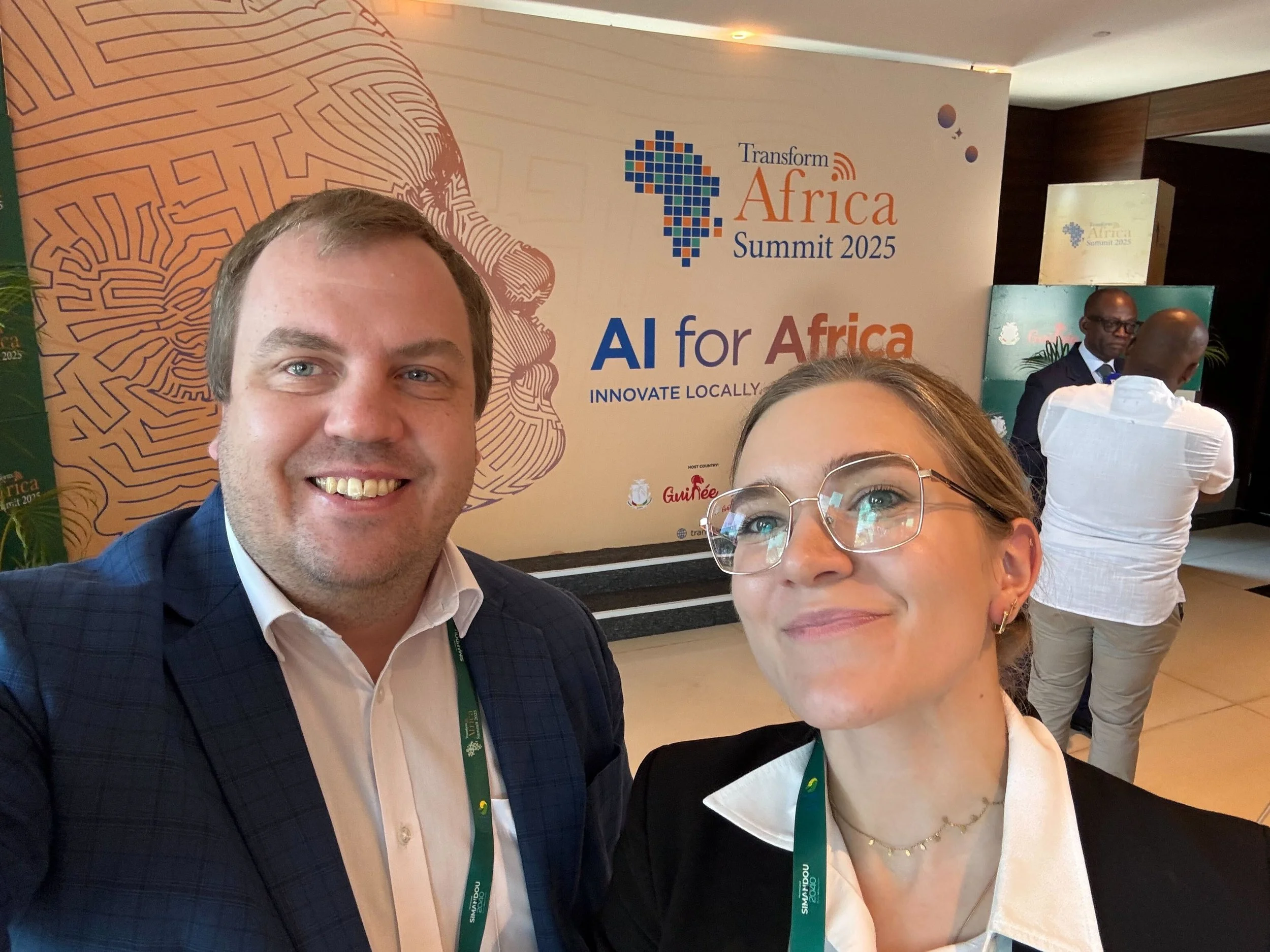
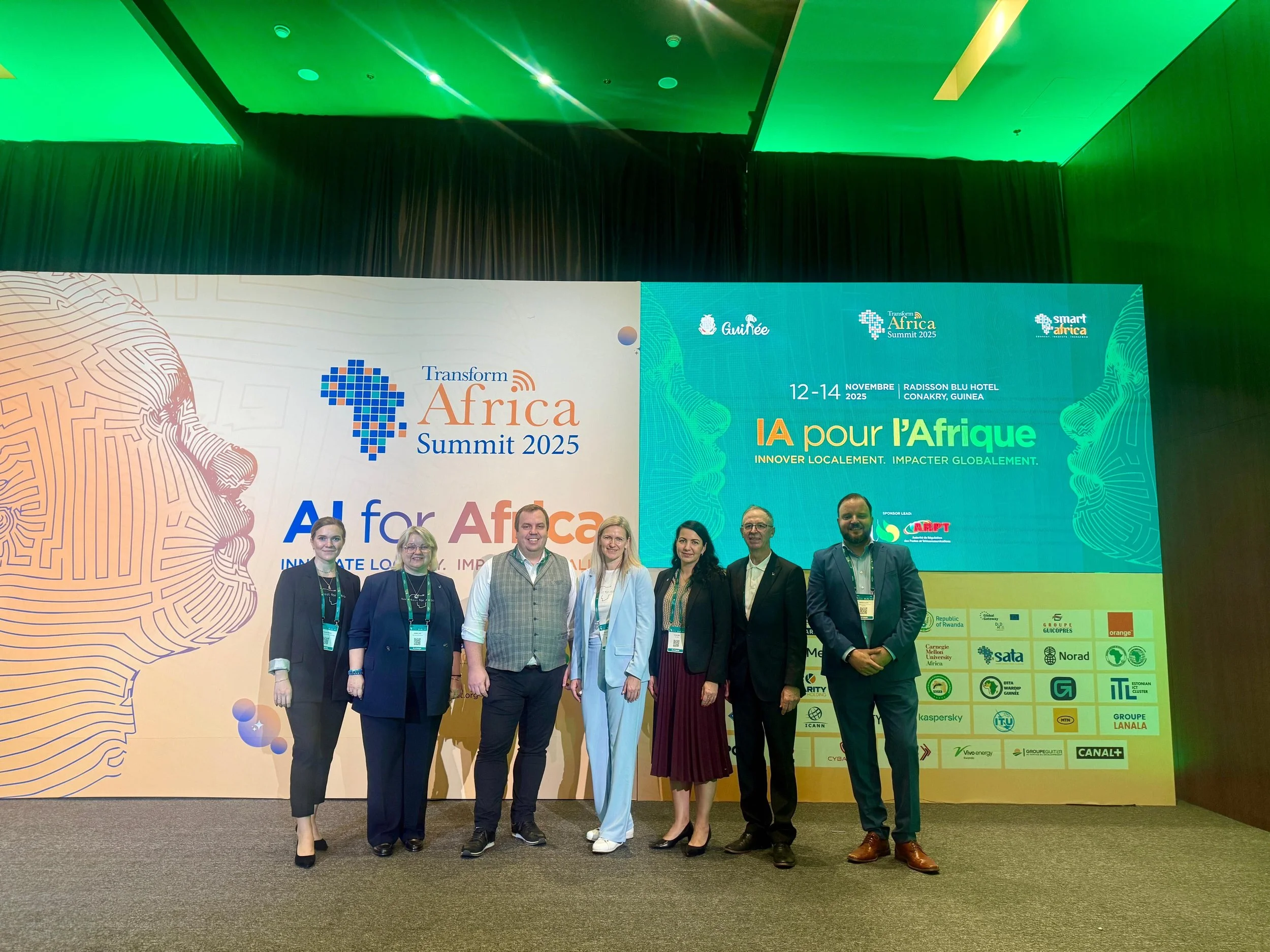

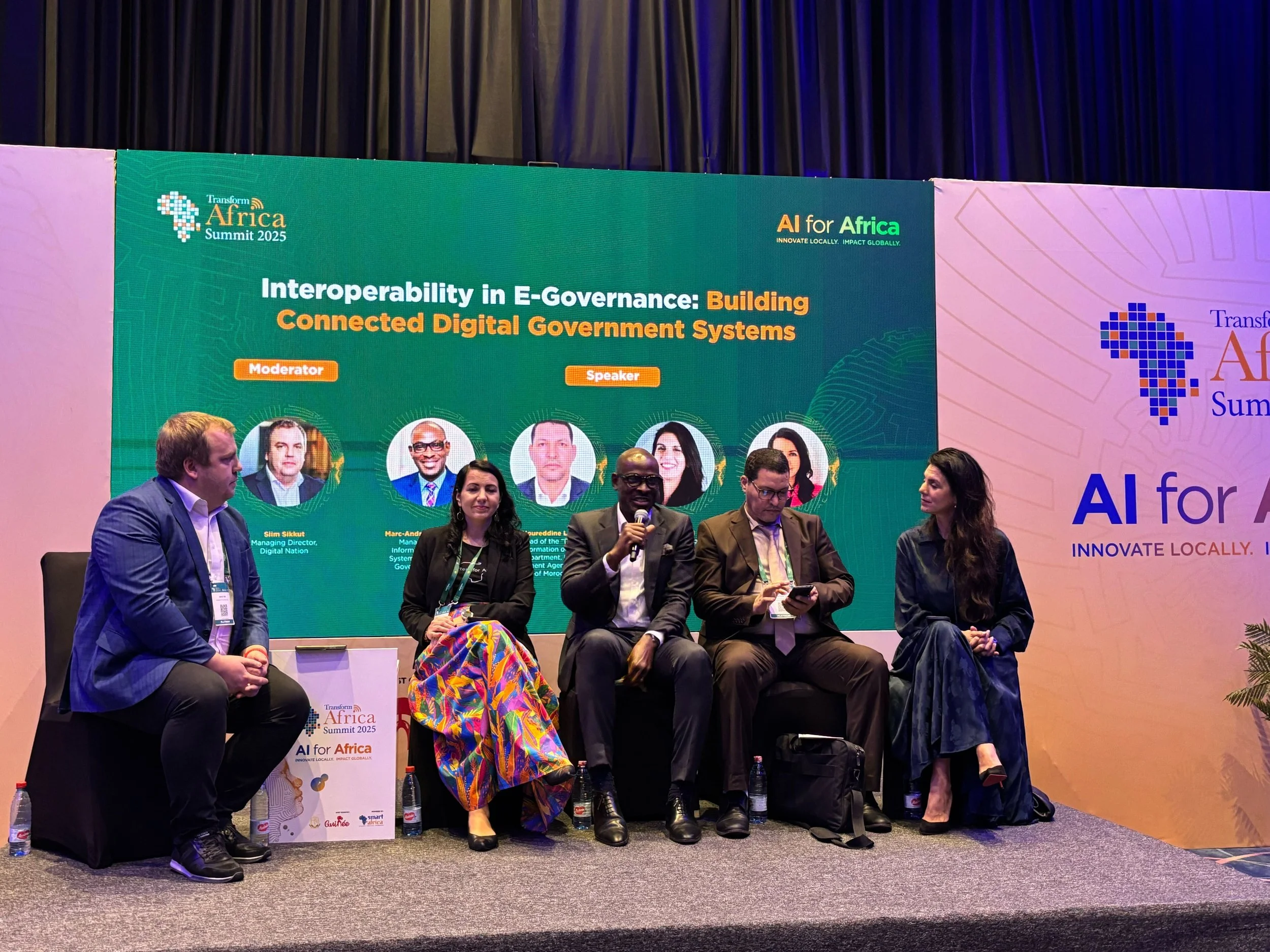
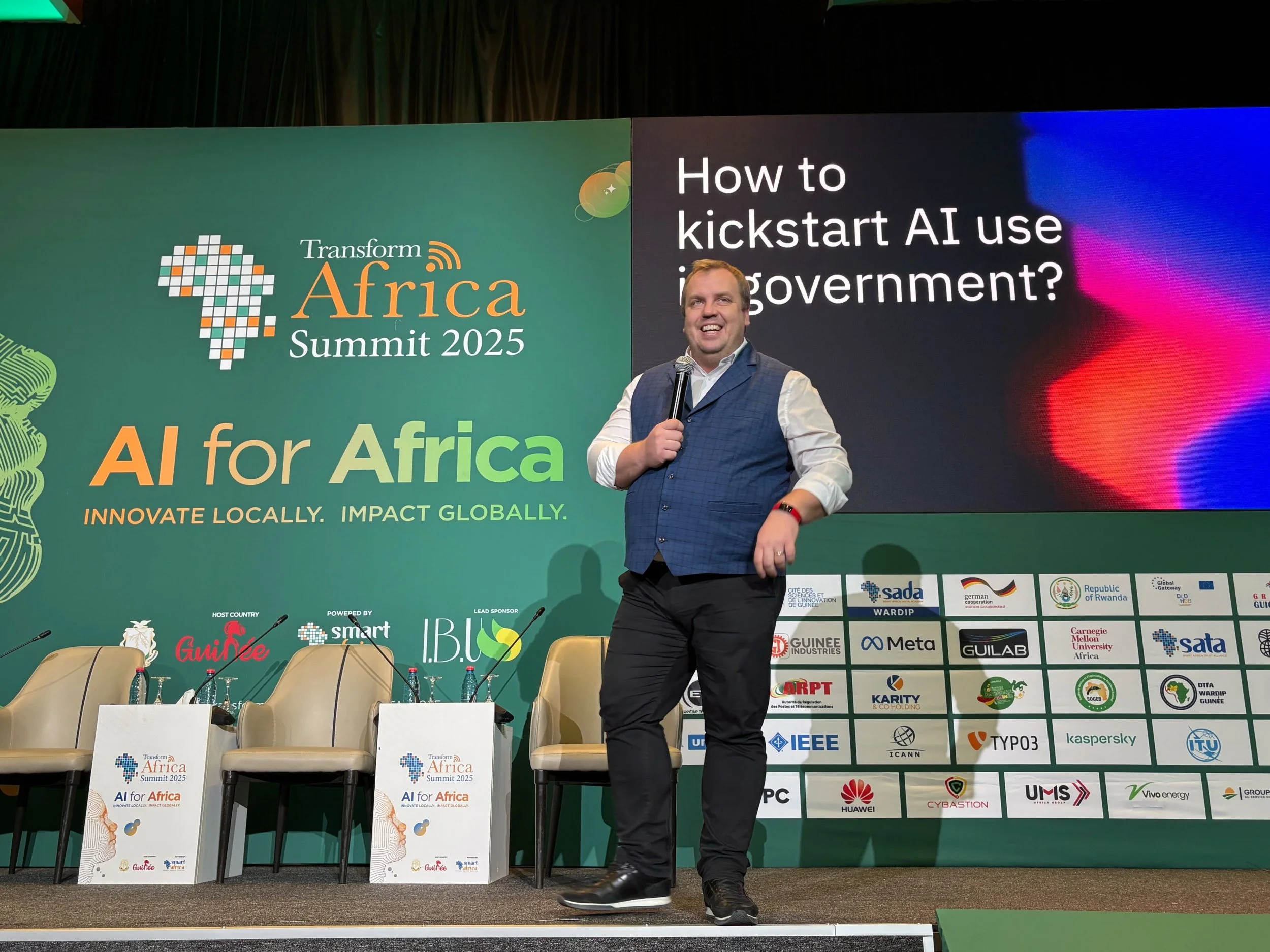
➡️ Why this matters: “The discussions during TAS2025 rightly acknowledged that AI’s value as a powerful tool depends on the strength of underlying digital foundations. African countries now have the opportunity not only to leapfrog but to lead, drawing on global experience while defining their own digital futures. The continent is positioning itself as an active driver of AI-powered development, not a bystander.” – Adhele Tuulas, Director of Business Development at Digital Nation
Resource Highlight: The newly released World Bank Digital Progress and Trends Report 2025: Strengthening AI Foundations is a timely addition to these discussions, offering a comprehensive data-driven snapshot of how countries are building the core capabilities needed for meaningful AI adoption. It also highlights the rise of practical “Small AI” solutions — accessible, low-cost applications already helping address real challenges in sectors such as agriculture, health, and education.
🔹 6. Ireland launches its Digital Public Services Plan 2030
And coming back to Europe - Ireland has released its Digital Public Services Plan 2030, setting a clear roadmap to fully digitalise key services by the end of the decade. The plan targets 100% availability of priority services online and aims for 90% of them to be used digitally, supported by a coordinated, whole-of-government delivery approach.
➡️ Why this matters: “At the core of the plan is a life-events approach that replaces fragmented departmental services with integrated journeys around life moments such as becoming a parent or starting school. Its focus is human-centred service delivery, with technologies like AI, the Government Digital Wallet, and reusable digital building blocks acting as enablers. By emphasising inclusion, interoperability, and data-driven policy, Ireland aims to build long-term trust and improve quality of life through simpler, more accessible digital services.” – Helena Lepp, Director of Service Transformation at Digital Nation