

Introduction
A digital society is never built in a vacuum. The public and private sectors, civil society, and the wider ecosystem around them shape it. That is exactly why the think tank Edge Institute stepped in to build the digital society in Romania. Seeing both the urgency and the opportunity, Edge decided to support the state from the outside by engaging Digital Nation to help rethink how Romania organises digital leadership. The aim was not simply to analyse the existing governance model, but to propose an improved model of what good digital governance could actually look like in practice.
Together, we co-created a Digital Governance Framework – a practical blueprint defining institutional roles, coordination mechanisms, and oversight structures, equipping the Government of Romania with the governance foundation needed to accelerate national digital transformation.
Scope of Work
The engagement was designed as a rapid, six-week effort to diagnose Romania’s digital governance as-is state and produce an actionable Digital Governance Framework to build upon.
Diagnostic and Current-State Mapping – An inception phase launched the project with workshops, interviews, and desk research. This work mapped Romania’s existing landscape based on our own Digital Governance Future-Readiness Assessment and benchmarked it against leading digital governments globally.
Framework Design and Iteration – Based on the findings, the Digital Nation team drafted a tailored governance framework. Through iterative discussions - both onsite and online - with stakeholders, the model was tailored to reflect Romania’s institutional context, capabilities, and reform ambitions.
Delivery of the Digital Governance Framework – The engagement concluded with the presentation and delivery of a practical blueprint and priority next steps to accelerate national digital transformation.
Our approach
As with all our engagements, the key mode of operation was co-creation, working closely with stakeholders from the Government of Romania and Edge Institute. Rather than adapting a “perfect” ready-made model – because by the way, no such model exists – the team mapped Romania’s institutional reality and shaped the framework together with those responsible for implementing it. The main challenge was how to create mechanisms to transfer good plans into real actions.
“Digital transformation does not happen because a strategy exists. It happens when the whole public sector starts to operate differently - when legislation, budgeting, human resources, delivery structures, and political leadership are governed in sync to turn ambition into action.” - Taavi Linnamäe, Partner
Global good practice informed the work, drawing on hands-on experience from across five continents. Layer by layer, we unwrapped how the public sector actually works today and where the key bottlenecks lie: the friction points that keep existing plans, strategies, and ambitions from becoming real change. The task was not to invent yet another vision, but to pinpoint what holds the system back and propose the adjustments needed to unlock the potential that already exists.

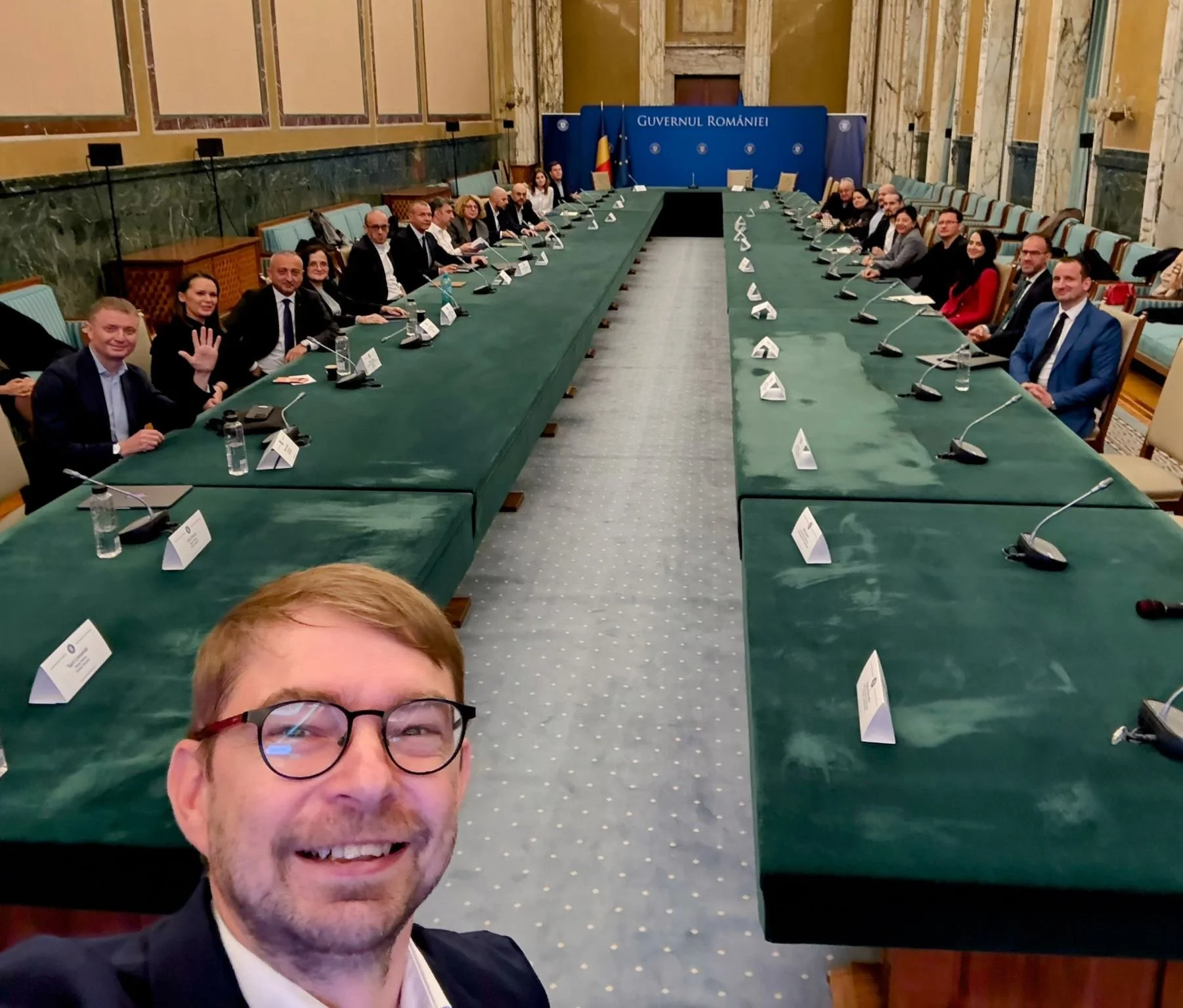
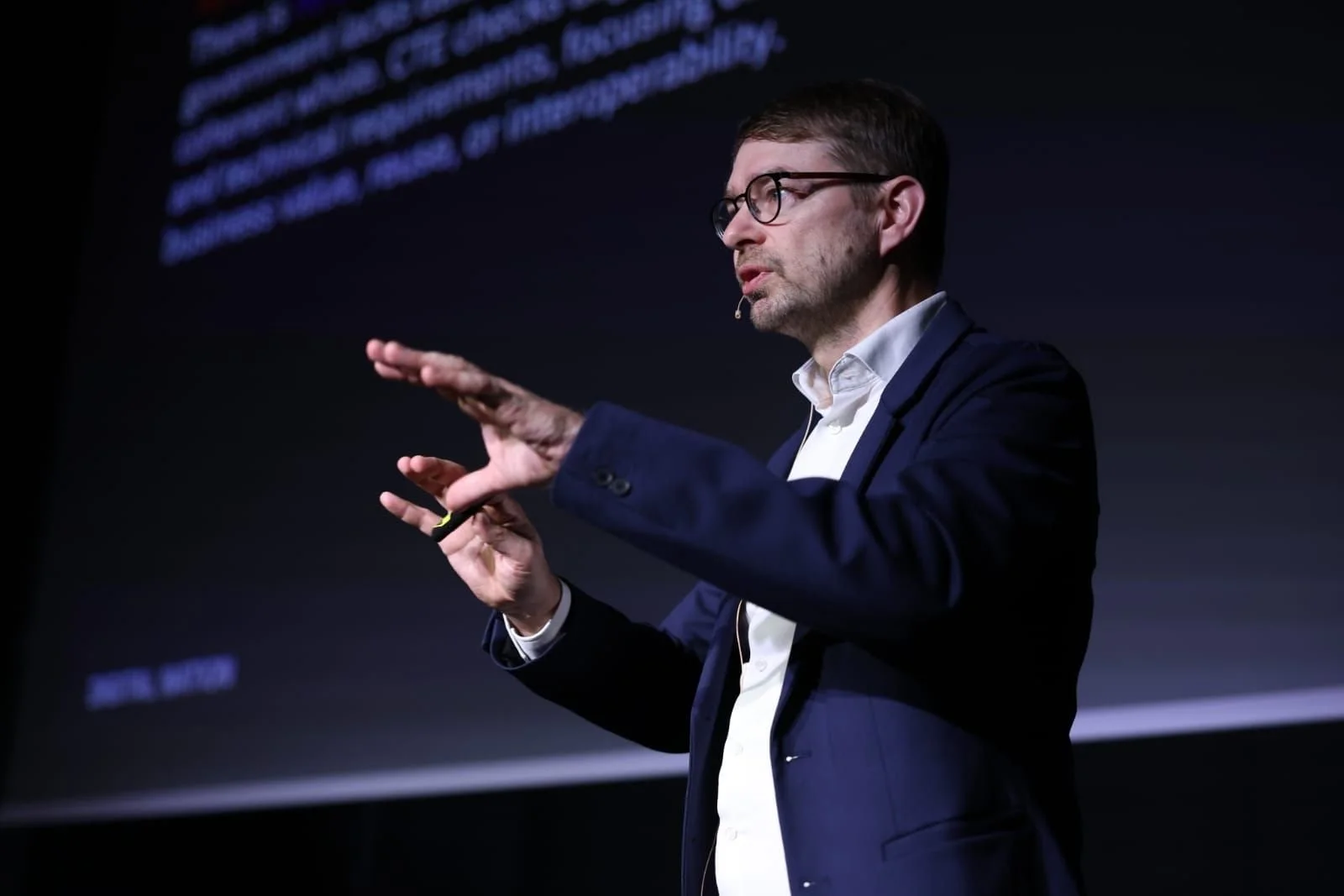
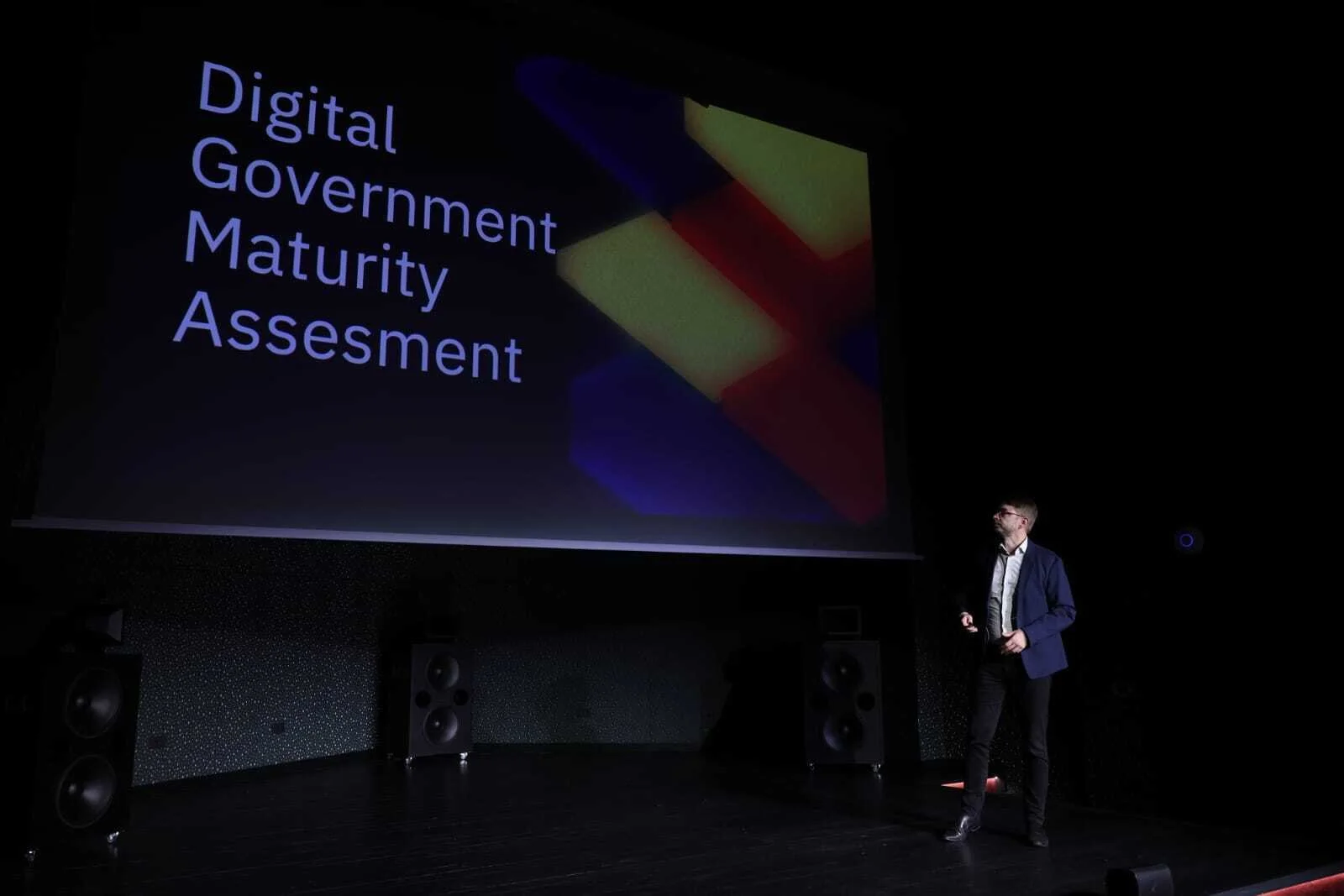
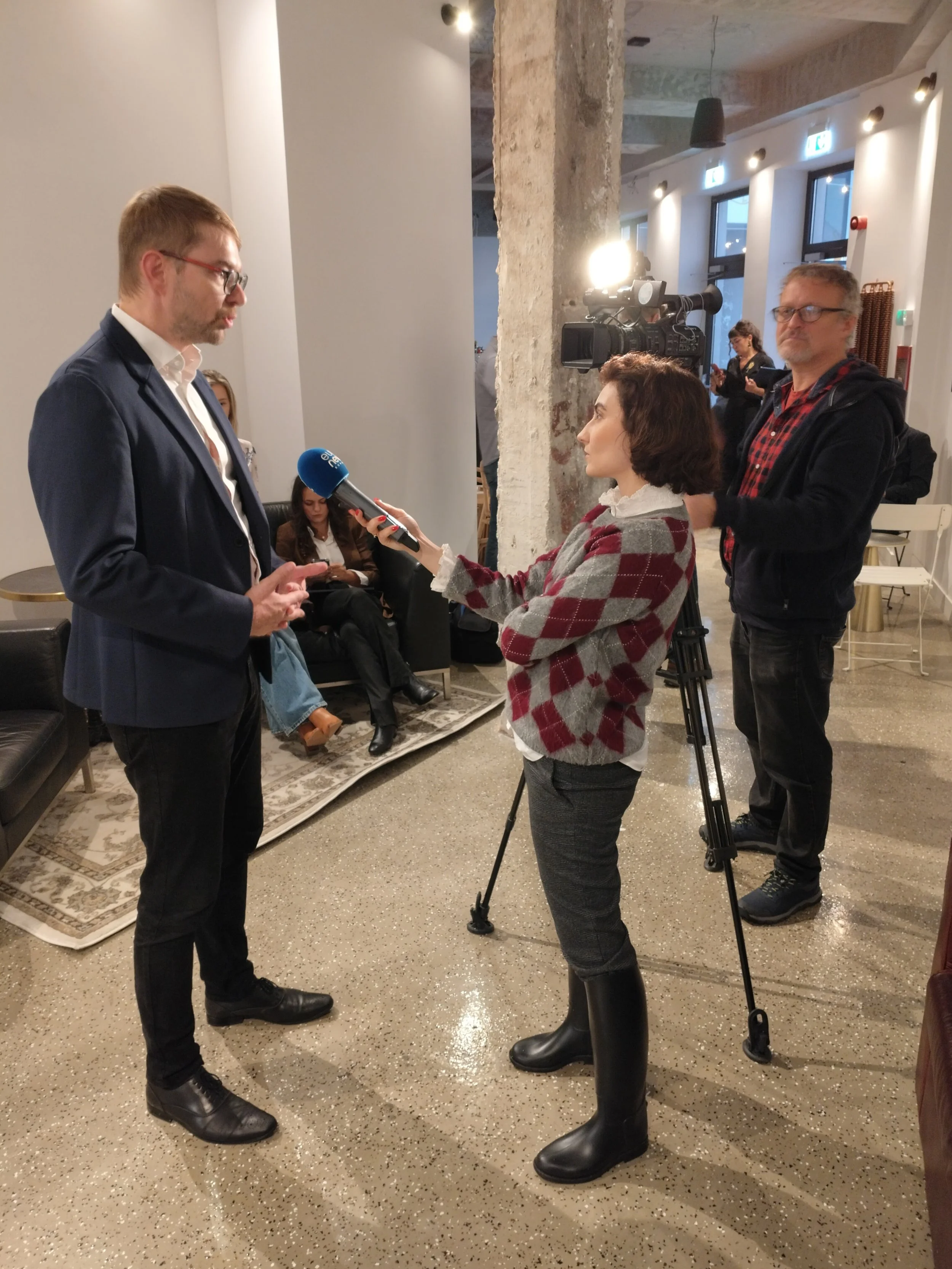
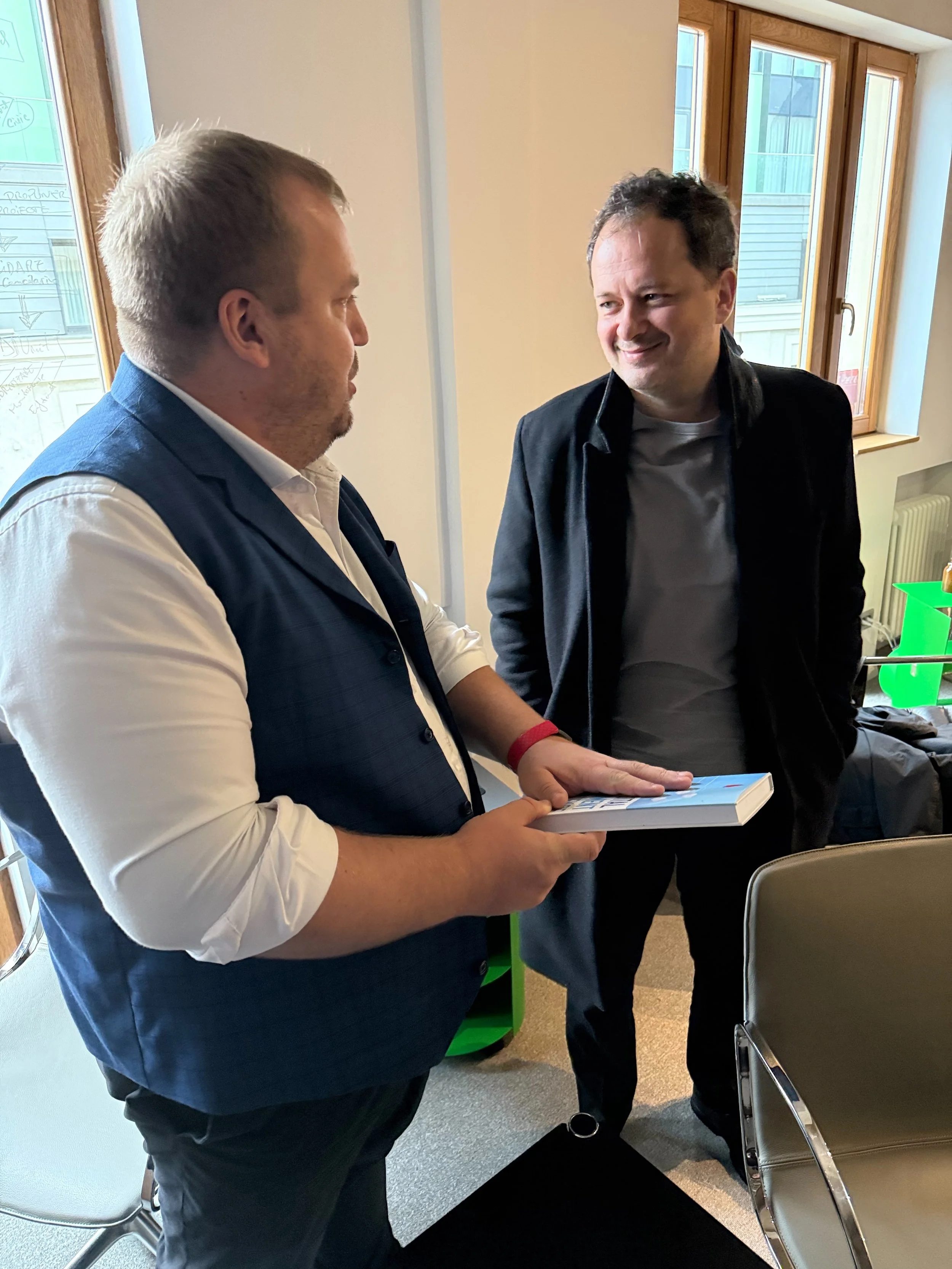
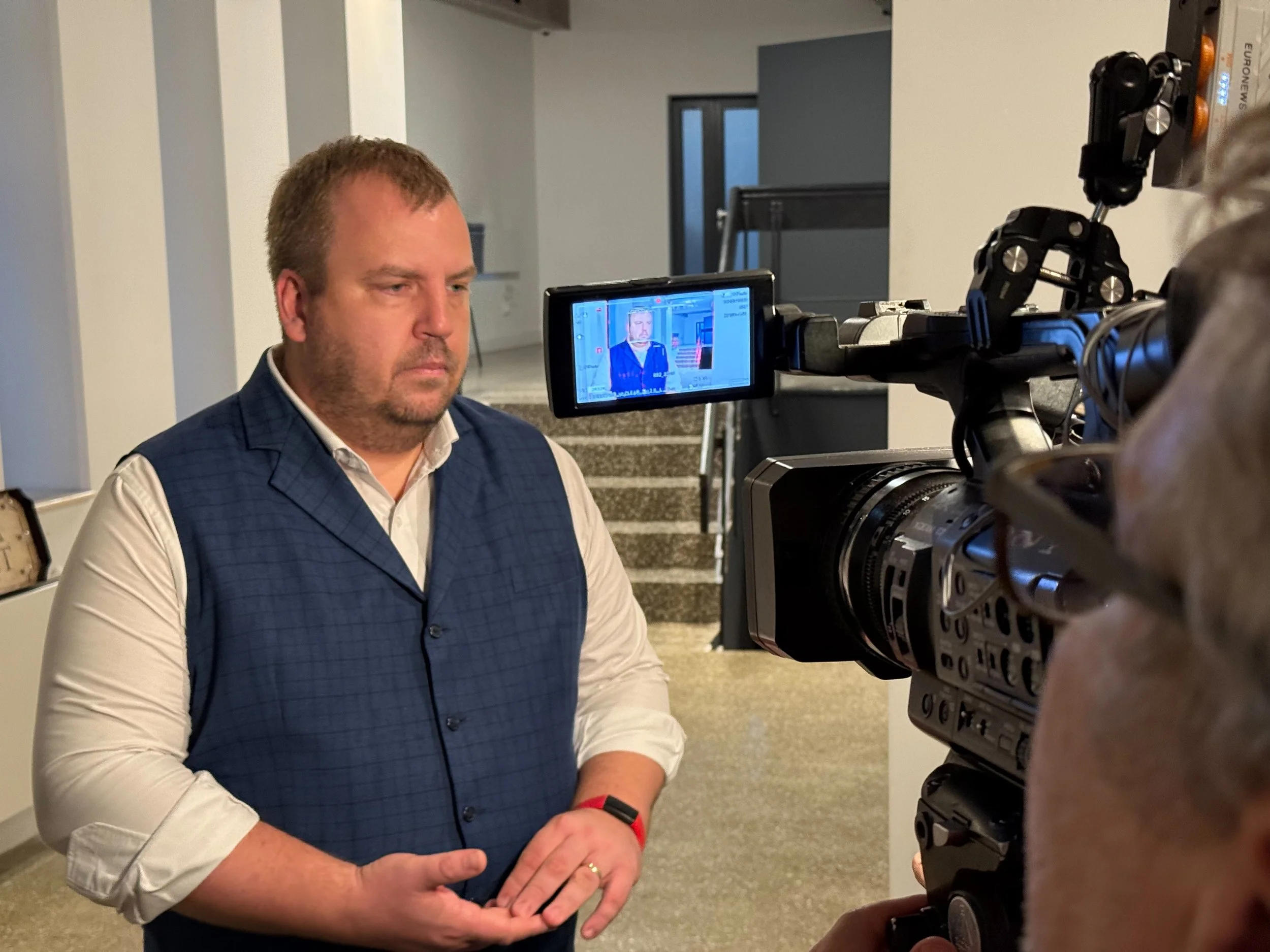
But diagnosis alone is never enough. We also developed a set of concrete, more unconventional ideas to help speed up progress by combining the strengths of the public sector, business community, and third sector. Because digital transformation is not only about improving the machinery of government from within, but also about mobilising the wider ecosystem around it. The result was intentionally lightweight and practical: a framework designed to clarify roles, enable coordination across government, and provide leaders with a clear starting structure for organising digital transformation.
Impact
The project put digital leadership firmly on Romania’s agenda. By mapping the current governance landscape and co-creating a practical framework, the engagement established a shared reference point for reform. It convened senior stakeholders from across government, civil society, and the private sector around the same table to address who should lead digital transformation and how it should be coordinated.
“Governance can sound abstract until you are the one trying to coordinate twelve ministries, three agencies, and a legacy system from 2001. That's when you realise it's the most practical thing you can get right.” - Karin Rits, Digital Governance Expert.
You can find the Digital Governance Framework of Romania here.